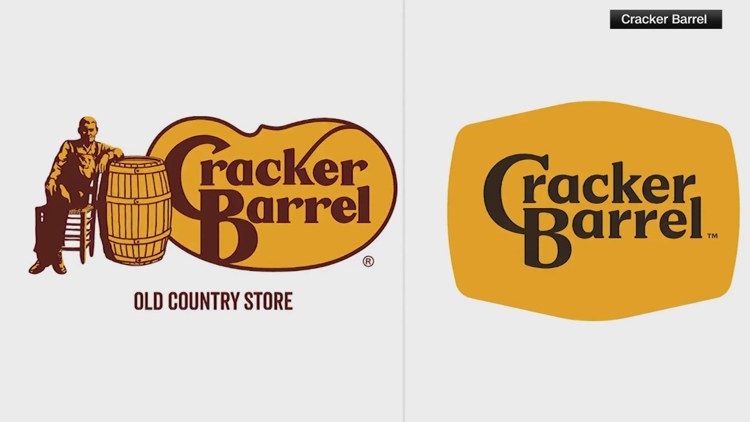
Cracker Barrel lost $262 million in market value between August and October 2024. The cause? A rebrand that ditched the rustic charm customers loved about the 56-year-old restaurant chain.
The financial damage tells part of the story. The stock price dropped more than 25% following the logo change. Restaurant traffic fell 8%. Social media erupted with confusion and ridicule.
But the deeper story reveals something professional services marketers need to understand: how smart, experienced people can completely misread their own brand and customers.
Preservation or Repudiation?
In May 2024, Cracker Barrel hired Prophet, a San Francisco-based marketing agency, to refresh its brand. The stated goal? Attract younger customers while “preserving the authentic charm” that made Cracker Barrel beloved.
What followed was the opposite of preservation. It was more a repudiation.
The new logo eliminated the iconic barrel. Gone was Uncle Hershel, the man in overalls who served as the company’s goodwill ambassador since the beginning. The redesign replaced recognizable heritage elements with a flat, yellow wordmark that could have belonged to any fast-casual chain.
The restaurant interiors followed the same pattern. The rustic, country aesthetic gave way to a hospital cafeteria ambiance. The menu adopted a sans-serif typeface that looked indistinguishable from IHOP or Denny’s. Even the cooking methods changed, with traditional preparation replaced by batch cooking and reheating to improve back-of-house efficiency.
Customers revolted. Social media filled with complaints. The stock price plummeted. Traffic declined. By October 2024, Cracker Barrel abandoned the rebrand entirely and returned to the original logo, restaurant decor, and menu.
The damage compounded. Not only did the rebrand fail, but the retreat signaled confusion and weakness. The brand lost credibility twice: once for misunderstanding customers, and again for lacking conviction.
When Success Becomes a Liability
Here’s what makes this story instructive for professional services marketers: the people making these decisions were qualified professionals with successful track records.
Julie Masino, Cracker Barrel’s CEO, most recently came from Taco Bell, where she helped modernize the brand. Prophet had a portfolio of successful brand transformations. On paper, they seemed perfectly positioned to execute a thoughtful rebrand.
But that track record may have been the problem.
They likely started the process knowing what the answer should be. Previous successes with modernizing other brands probably created unconscious bias about what Cracker Barrel needed. When you’ve successfully transformed brands before, it’s tempting to apply that same playbook without deeply investigating whether it fits.
They said the right things about “preserving authentic charm.” But their actions revealed they never truly explored what made Cracker Barrel remarkable to customers. They went through the motions while their predetermined conclusion guided decisions.
[Want to see another rebrand that turned into a dumpster fire led by a previously successful CEO? Check out this case study.]
How else can we explain qualified, smart people getting the answer so catastrophically wrong?
A Subtle Bias that Sabotaged the Process
The rebrand results revealed a failure to respect Cracker Barrel’s brand heritage. Consider the influences and experiences shaping the perspective of key players:
Masino’s impressive resume includes marketing roles at Coach, Godiva, Mattel and Starbucks. Prophet, founded by brand guru Daniel Aaker, boasts an equally impressive client roster and operates from San Francisco, where progressive design aesthetics reign. These biases, reinforced by past successes, likely prevented genuine appreciation of Cracker Barrel’s heritage value.
The evidence shows in what they eliminated: the barrel, Uncle Hershel, rustic interiors, country charm. They stripped away the very elements that created emotional connection with customers.
Loyal customers interpreted these signals and came to the conclusion that Cracker Barrel’s leaders didn’t care for the brand … and it didn’t care for them.
Sound familiar? Jaguar made the same mistake recently, explicitly stating they wanted to “copy nothing” in their rebrand. Both companies discovered that dismissing heritage dismisses customers.
Heritage isn’t just about aesthetics or tradition. Heritage creates emotional connection that evokes nostalgia. Nostalgia has transcendent value. It evokes memories, relationships, and feelings that connect people to brands. Those emotional connections drive loyalty, word-of-mouth, and repeat business.
The biases that prevented Cracker Barrel’s leadership from properly investigating their brand also prevented them from appreciating its nostalgic value. They likely assumed they knew what needed to be done before embarking on the process. The process was less about discovery than it was justification.
A Respectful Approach to Rebranding
What does an established brand do when it realizes it needs a refresh? Consider how Resound worked with United Dairymen of Arizona.
UDA faced a similar challenge: modernize for new audiences while preserving what made them trusted. Consider three guiding principles we followed as worked guided UDA through the process:
Start with values, not visuals
UDA began with values-discovery workshops involving dozens of stakeholders: farmers, leadership teams, board members, and their families. They explored what UDA stood for before discussing what it should look like.
This process revealed five core values that had guided UDA for decades: Excellence, Drive, Transparent, Classic, and Methodical. These weren’t marketing concepts—they were authentic attributes embedded in UDA’s culture and that needed to be expressed in their brand platform.
Test concepts that honor heritage while embracing the future
Resound developed a handful of logo concepts, each rooted in UDA’s core values but expressed differently. The winning concept incorporated Arizona’s iconic Camelback Mountain, connecting geography, heritage, and values in a single mark.
The result preserved UDA’s authentic identity while presenting it in a way that resonated with contemporary audiences. Heritage wasn’t abandoned: it was respected and updated.
Involve stakeholders throughout the process
UDA’s rebrand succeeded partly because it involved people on whose partnership and patronage UDA depended. When the board unanimously approved the new brand, it wasn’t because we convinced them it was the right way to go. It was because the brand authentically represented who they were because they were involved in the process.
Contrast this with Cracker Barrel. I don’t know exactly what happened but my guess is that decision-making was centralized in boardrooms and agency offices. Because frontline employees and customers weren’t involved in the process, they felt no ownership in the result.
Four Lessons for Professional Services Marketers
Most professional services firms won’t face pressure to rebrand as dramatically as Cracker Barrel. But the underlying principles apply to every brand decision you make:
1. Approach with genuine curiosity, not predetermined conclusions
The biggest lesson from Cracker Barrel’s failure doesn’t relate to logo or restaurant design. It’s about the danger of starting with answers instead of questions.
Your past successes can blind you. Your preferences can distort judgment. Your assumptions about what works want can prevent you from seeing what actually matters.
When considering a rebrand, challenge yourself and your team to investigate without presupposition. What elements of our heritage are important to us … and to our clients? What elements of our presentation and service create emotional connection with them? What elements are core to our value proposition?
Don’t ask these questions rhetorically. Genuinely seek answers from internal and external audiences before deciding what needs to change.
2. Respect heritage and the customers who built it
Heritage isn’t about clinging to the past. It’s about honoring the authentic identity, the achievements and emotional connections that brought you this far.
When you dismiss heritage as “outdated” or “old-fashioned,” you’re dismissing the people who valued it. Your long-term clients, loyal employees, and trusted referral sources all connect with your brand partly through shared history and nostalgia.
Updating how you present your brand can absolutely coexist with respecting what made it valuable. The question isn’t whether to preserve or modernize: It’s how to do both thoughtfully.
3 Balance heritage and relevance without sacrificing either
Professional services brands need to evolve as markets change, new competitors emerge, and client expectations shift. This doesn’t require abandoning your authentic identity.
The challenge is discerning which elements represent core identity (preserve these) and which represent dated presentation (update these). Core values, foundational relationships, and authentic capabilities should remain stable. How you communicate them should evolve.
Cracker Barrel failed because they treated everything as cosmetics. They updated their visual symbols and spaces without understanding they expressed something deeper that customers valued.
4. Test before you jump
Both Cracker Barrel and UDA developed new concepts before launching. The difference? UDA tested with stakeholders who understood the brand’s heritage and values. Apparently Cracker Barrel tested four of its nearly 700 stores with customers a couple of weeks before announcing the new look. I’ve not found anything that indicates they tested the new logo before the announcement.
Before making significant brand changes, expose your concepts to people who will give you honest feedback. By not testing the logo at all and only testing stores two weeks before launch indicates customer feedback was not a meaningful part of their rebranding process.
Before You Rebrand, Ask Yourself This
If your firm were considering a rebrand or significant brand evolution, would you start with genuine investigation of what makes you remarkable? Or would personal biases and predetermined conclusions guide decisions?
The financial stakes for Cracker Barrel were enormous. The stakes for professional services firms may be less dramatic but no less real. Your brand represents accumulated trust, relationships, and reputation built over years or decades.
If you keep respect for your brand (and its customers) and genuine curiosity as your guides, your efforts will discover and preserve what makes your brand (and its customers) truly remarkable.